
How to Choose and Use Cylindrical Ski Goggles for Maximum Performance?
Abstract: Cylindrical Ski Goggles are designed to provide optimal protection, comfort, and visual clarity for winter sports enthusiasts. This comprehensive guide explores their technical parameters, usage methods, maintenance practices, and tips for selecting the ideal goggles for different skiing conditions. By understanding these aspects, users can enhance performance, ensure eye safety, and extend the lifespan of their goggles. This article also addresses frequently asked questions to assist skiers in making informed choices.
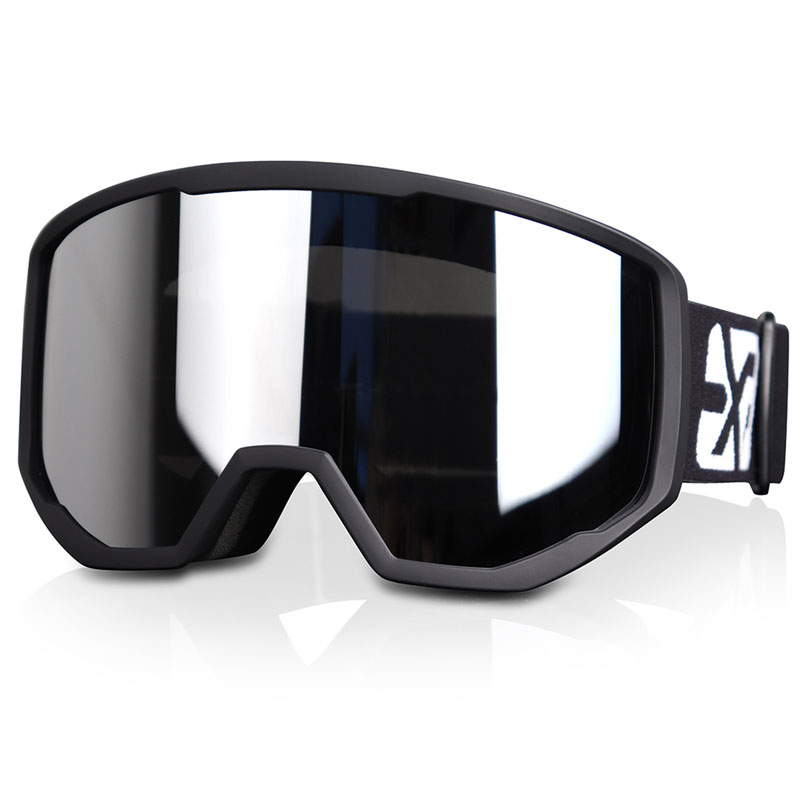
Table of Contents
1. Introduction and Product Overview 2. Selecting the Right Cylindrical Ski Goggles 3. Maintenance, Care, and Common Issues 4. Expert Tips and Brand Recommendations
1. Introduction and Product Overview
Cylindrical Ski Goggles feature a flat lens design that curves horizontally but remains straight vertically, offering a wider peripheral vision while minimizing optical distortions. They are suitable for recreational and professional skiers who require a balance of performance and affordability. These goggles are engineered with advanced coatings for UV protection, anti-fog performance, and scratch resistance, making them indispensable for high-altitude snow sports.
Product Technical Parameters
| Feature | Specification |
|---|---|
| Lens Type | Cylindrical, anti-fog, UV400 |
| Frame Material | Flexible TPU with dual-layer foam |
| Strap | Adjustable, silicone-backed for secure fit |
| Ventilation | Top and bottom vents for airflow |
| Compatibility | Helmet-compatible with standard ski helmets |
| Lens Colors | Multiple tints: mirrored, amber, rose, and clear |
| Weight | Approx. 200g |
| Temperature Range | -20°C to 10°C (-4°F to 50°F) |
This overview establishes the central premise of the article: understanding the core parameters of Cylindrical Ski Goggles enables skiers to make well-informed choices tailored to their skiing conditions and performance requirements.
2. Selecting the Right Cylindrical Ski Goggles
How to Determine the Best Lens Color for Various Weather Conditions?
Lens color affects visibility in different lighting scenarios. Yellow or rose lenses enhance contrast in cloudy or low-light conditions, while darker mirrored lenses reduce glare in sunny environments. Clear lenses are ideal for night skiing or overcast days.
How to Ensure a Secure Fit for Optimal Comfort?
A well-fitted goggle prevents snow and wind intrusion. Adjustable straps and flexible frame materials allow for a snug fit over helmets or bare heads. Testing the goggles with a helmet ensures compatibility and prevents fogging caused by poor ventilation.
How to Evaluate Anti-Fog Performance?
High-quality cylindrical goggles utilize dual-layer lenses with hydrophilic coatings that prevent condensation. Adequate ventilation channels and moisture-wicking foam are crucial for long-lasting clarity in extreme temperatures.
How to Choose Goggles for Specific Skiing Styles?
Recreational skiers may prefer lightweight, budget-friendly goggles with basic UV protection, while professional or freestyle skiers need goggles with enhanced anti-fog, wider peripheral vision, and impact resistance for higher-speed maneuvers.
Comparison Table: Key Factors in Selecting Cylindrical Ski Goggles
| Factor | Recreational Use | Professional Use |
|---|---|---|
| Lens Coating | Standard UV400, basic anti-fog | Advanced UV400, anti-fog, anti-scratch |
| Frame Flexibility | Medium flexibility | High flexibility for helmet fit |
| Peripheral Vision | Moderate | Wide |
| Weight | Lightweight | Lightweight with reinforced durability |
| Price Range | Affordable | Premium |
3. Maintenance, Care, and Common Issues
How to Clean Cylindrical Ski Goggles Safely?
Use a microfiber cloth to remove dust and smudges. Avoid using paper towels or abrasive materials that may scratch the lens. For deeper cleaning, rinse with lukewarm water and mild soap, then air-dry.
How to Prevent Fogging During Skiing?
Ensure proper ventilation by keeping vents unblocked. Use anti-fog sprays or wipes, and avoid touching the inner lens surface. Wearing moisture-wicking base layers can reduce condensation inside the goggles.
How to Store Goggles to Extend Lifespan?
Store goggles in a soft pouch or protective case. Avoid exposing them to extreme temperatures for extended periods. Do not place heavy objects on top of the goggles to prevent lens deformation.
Frequently Asked Questions About Cylindrical Ski Goggles
Q1: Are cylindrical goggles suitable for all face shapes?
A1: Yes, most cylindrical goggles feature flexible frames and adjustable straps to fit a variety of face shapes, ensuring comfort and secure coverage.
Q2: How long do anti-fog coatings typically last?
A2: High-quality anti-fog coatings can last an entire season if maintained properly. Avoid touching or rubbing the inner lens, and follow cleaning instructions to preserve the coating.
Q3: Can cylindrical goggles be used with prescription glasses?
A3: Many cylindrical goggles are designed to accommodate prescription inserts or fit over standard glasses. Verify compatibility with specific models to ensure a comfortable fit without pressure points.
4. Expert Tips and Brand Recommendations
How to Maximize Performance Using Cylindrical Ski Goggles?
To enhance skiing performance, select lenses appropriate for light conditions, ensure proper ventilation, and maintain a clean, scratch-free surface. Regularly check straps and frame alignment to prevent discomfort during extended use.
How Does EXP VISION Stand Out in Ski Goggle Manufacturing?
EXP VISION is recognized for combining innovative lens technologies, ergonomic designs, and durable materials to produce high-quality cylindrical ski goggles. Their products cater to diverse skiing conditions and provide superior eye protection, comfort, and visibility.
How to Choose the Right Model from EXP VISION?
Consider the skiing environment, lighting conditions, and helmet compatibility when selecting a model. EXP VISION offers multiple lens tints, anti-fog options, and frame designs tailored for both recreational and professional skiers.
For further inquiries or personalized recommendations, contact us to receive expert guidance and support for your next winter sports adventure.
Send Inquiry



X
We use cookies to offer you a better browsing experience, analyze site traffic and personalize content. By using this site, you agree to our use of cookies.
Privacy Policy