
How to Choose the Right Scuba Diving Mask for Different Diving Environments?
Article Abstract
A scuba diving mask is a foundational piece of underwater equipment that directly affects visibility, comfort, and safety during dives. This article explores how to evaluate a scuba diving mask through structure, material parameters, fit logic, and performance adaptability in various underwater conditions. By addressing common questions, technical specifications, and real-world application scenarios, the content aims to provide a comprehensive reference for divers, distributors, and industry professionals seeking long-term value and performance reliability.
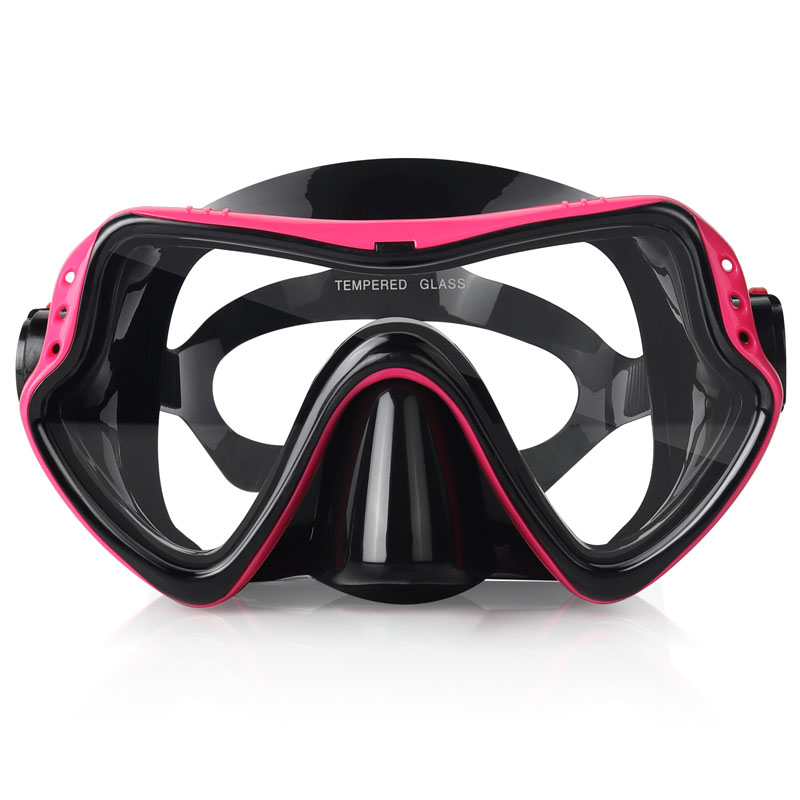
Table of Contents
- 1. How Does a Scuba Diving Mask Function Underwater?
- 2. How Should Scuba Diving Mask Parameters Be Evaluated?
- 3. How Do Different Diving Scenarios Influence Mask Selection?
- 4. How Is the Scuba Diving Mask Market Evolving?
Content Outline
- Structural principles of scuba diving masks
- Material science and performance parameters
- Scenario-based selection logic
- Common user questions and technical answers
- Industry development and brand perspective
1. How Does a Scuba Diving Mask Function Underwater?
A scuba diving mask creates an air space in front of the diver’s eyes, enabling clear vision underwater where the human eye alone cannot focus effectively. Unlike swimming goggles, a scuba diving mask covers both the eyes and nose, allowing pressure equalization and stable vision at depth. This structural distinction determines its suitability for recreational diving, technical diving, and professional underwater operations.
The core components of a scuba diving mask include the lens system, skirt, frame, strap, and nose pocket. Each element contributes to sealing performance, field of view, pressure balance, and long-duration comfort. Mask performance is not defined by appearance, but by how these components interact under pressure changes, temperature variations, and extended immersion.
From a functional perspective, the scuba diving mask must maintain optical clarity while resisting fogging, distortion, and leakage. This requires precise engineering tolerances and material stability, especially in cold water or deep-sea environments where pressure differentials increase rapidly.
2. How Should Scuba Diving Mask Parameters Be Evaluated?
Evaluating a scuba diving mask requires objective analysis of technical parameters rather than subjective comfort alone. Professional buyers and experienced divers focus on lens composition, skirt elasticity, internal volume, and frame rigidity to determine suitability across use cases.
Below is a consolidated overview of key scuba diving mask parameters used in professional assessment:
| Parameter | Specification Range | Technical Significance |
|---|---|---|
| Lens Material | Tempered Glass | Provides impact resistance and optical stability under pressure |
| Skirt Material | Liquid Silicone | Ensures long-term elasticity and facial sealing |
| Internal Volume | Low to Medium | Reduces air consumption during equalization |
| Frame Structure | Frameless / Low-Profile | Enhances field of view and reduces hydrodynamic drag |
| Strap Adjustment | Micro-Adjust Buckle | Allows precise fit tuning with gloves |
These parameters collectively determine whether a scuba diving mask can deliver consistent performance across varying dive profiles. For distributors and OEM buyers, parameter transparency is also critical for regulatory compliance and market positioning.
Scuba Diving Mask Common Questions (FAQ)
Q: How should a scuba diving mask fit without using the strap?
A: A proper fit allows the mask to adhere to the face using suction alone when gently inhaled through the nose. This indicates correct skirt geometry and sealing integrity without pressure points.
Q: How does internal volume affect diving performance?
A: Lower internal volume requires less air for equalization, improving breathing efficiency and making the mask suitable for deeper or longer dives.
Q: How can fogging inside a scuba diving mask be minimized?
A: Fogging is reduced through proper lens preparation, including cleaning manufacturing residues and applying anti-fog solutions before each dive.
3. How Do Different Diving Scenarios Influence Mask Selection?
Different diving environments impose distinct technical demands on a scuba diving mask. In tropical recreational diving, wide visibility and comfort dominate selection criteria. In contrast, cold-water or technical diving emphasizes seal reliability, material resilience, and compatibility with additional equipment such as hoods.
Underwater photography and videography require masks with minimal lens distortion and enhanced downward visibility to monitor equipment. Professional and commercial diving operations prioritize durability, replaceable components, and standardized sizing for team deployment.
Understanding scenario-specific requirements ensures that the scuba diving mask is not merely wearable, but operationally efficient throughout the dive cycle.
4. How Is the Scuba Diving Mask Market Evolving?
The global scuba diving mask market is evolving toward higher material transparency, modular designs, and improved ergonomic modeling based on facial data analysis. Manufacturing processes increasingly emphasize precision molding and long-life silicone compounds to meet both recreational and professional standards.
From a supply perspective, brands are expected to provide clearer parameter documentation, stable production consistency, and long-term product support. Within this context, EXP VISION continues to align product development with international diving standards while focusing on practical performance and reliable manufacturing quality.
For distributors, training centers, and equipment buyers seeking dependable scuba diving mask solutions, collaboration with experienced manufacturers ensures continuity, compliance, and scalable supply.
Send Inquiry



X
We use cookies to offer you a better browsing experience, analyze site traffic and personalize content. By using this site, you agree to our use of cookies.
Privacy Policy