
How to Maximize Performance with Spherical Ski Goggles?
Article Summary: Spherical ski goggles are essential equipment for skiers and snowboarders seeking optimal vision, comfort, and protection on the slopes. This article explores the technical specifications, usage techniques, and maintenance strategies to enhance performance and safety. Key considerations for choosing the right spherical ski goggles are analyzed, along with frequently asked questions by enthusiasts and professionals.
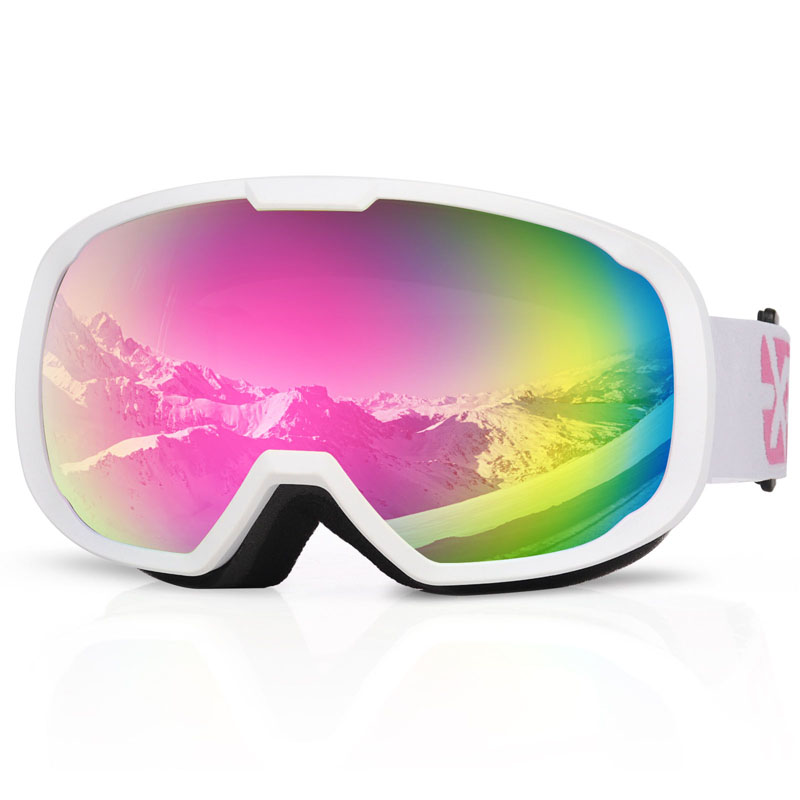
Table of Contents
- Introduction to Spherical Ski Goggles
- Technical Specifications and Features
- Spherical Ski Goggles FAQ
- Usage, Maintenance, and Expert Recommendations
- Conclusion and Brand Information
Introduction to Spherical Ski Goggles
Spherical ski goggles are designed with a curved lens that mimics the natural curvature of the human eye, offering an expanded field of vision, reduced glare, and improved depth perception. Unlike cylindrical lenses, spherical goggles reduce visual distortion at the periphery, allowing skiers and snowboarders to navigate slopes more safely. This article focuses on understanding the advantages, technical parameters, and selection criteria of spherical ski goggles to ensure optimal performance on snow-covered terrains.
Technical Specifications and Features
The following table provides a detailed overview of a high-performance spherical ski goggle suitable for both recreational and professional use:
| Parameter | Specification |
|---|---|
| Lens Type | Double-layer spherical polycarbonate with anti-fog coating |
| UV Protection | 100% UVA/UVB protection |
| Lens Color Options | Yellow, Rose, Grey, Photochromic |
| Frame Material | Thermoplastic polyurethane (TPU) with flexible design |
| Ventilation System | Triple airflow channels with micro-mesh filters |
| Helmet Compatibility | Compatible with all standard ski helmets |
| Face Foam | Triple-layer hypoallergenic foam for comfort and insulation |
| Strap | Adjustable elastic strap with silicone lining for secure fit |
| Weight | Approx. 250 grams |
Spherical Ski Goggles FAQ
Q1: How do spherical ski goggles reduce visual distortion compared to cylindrical lenses?
A1: Spherical lenses are curved both horizontally and vertically, closely mimicking the shape of the eye. This curvature eliminates peripheral distortion, allowing skiers to accurately judge distance, terrain changes, and obstacles on slopes.
Q2: How can one maintain anti-fog performance for spherical ski goggles?
A2: Anti-fog performance is maintained by keeping the lenses clean and dry, using microfiber cloths for cleaning, avoiding touching the inner lens layer with fingers, and storing goggles in a ventilated case when not in use. Many models also include hydrophilic coatings to enhance long-term fog resistance.
Q3: How to select the appropriate lens tint for varying snow conditions?
A3: Lens selection depends on visibility conditions. Yellow and rose tints enhance contrast in low-light or overcast conditions, grey tints reduce brightness under sunny skies, and photochromic lenses automatically adjust to changing light, providing flexibility across different weather scenarios.
Usage, Maintenance, and Expert Recommendations
Optimizing spherical ski goggles involves understanding proper fit, lens care, and compatibility with other snow sports gear. Correct positioning on the face ensures an airtight seal, reducing fog and wind intrusion. Professionals recommend pairing goggles with vented helmets to promote airflow while maintaining comfort. Regularly checking straps and foam padding ensures durability and continued comfort. When transporting, storing goggles in a padded case prevents scratches and lens damage, preserving optical clarity.
Advanced models often feature interchangeable lenses, enabling users to switch tints depending on light conditions. Investing in high-quality spherical ski goggles not only improves safety but also enhances overall skiing or snowboarding experience. Considering weight, ergonomics, and helmet compatibility ensures long-term usability during intense winter sports activity.
Conclusion and Brand Information
In conclusion, selecting the right spherical ski goggles involves careful consideration of lens technology, frame ergonomics, and protective features. EXP VISION offers premium spherical ski goggles with advanced optics, anti-fog protection, and superior comfort, tailored for both professional athletes and recreational skiers. For further inquiries or personalized guidance in choosing the perfect ski goggles, contact us to explore the complete range and expert recommendations.
Send Inquiry



X
We use cookies to offer you a better browsing experience, analyze site traffic and personalize content. By using this site, you agree to our use of cookies.
Privacy Policy