
How Do Spherical Ski Goggles Enhance Vision and Comfort on the Slopes?
Abstract
Skiers and snowboarders face constantly changing light, weather, and terrain conditions that directly affect visibility and safety. Spherical ski goggles have become a preferred choice for many winter sports enthusiasts due to their advanced optical structure and ergonomic design. This article provides a comprehensive explanation of how spherical ski goggles work, what problems they solve, and how to evaluate them from a practical, user-focused perspective. By examining lens curvature, visual performance, comfort, durability, and real-world use scenarios, this guide helps readers make informed decisions while addressing common pain points experienced on the mountain.
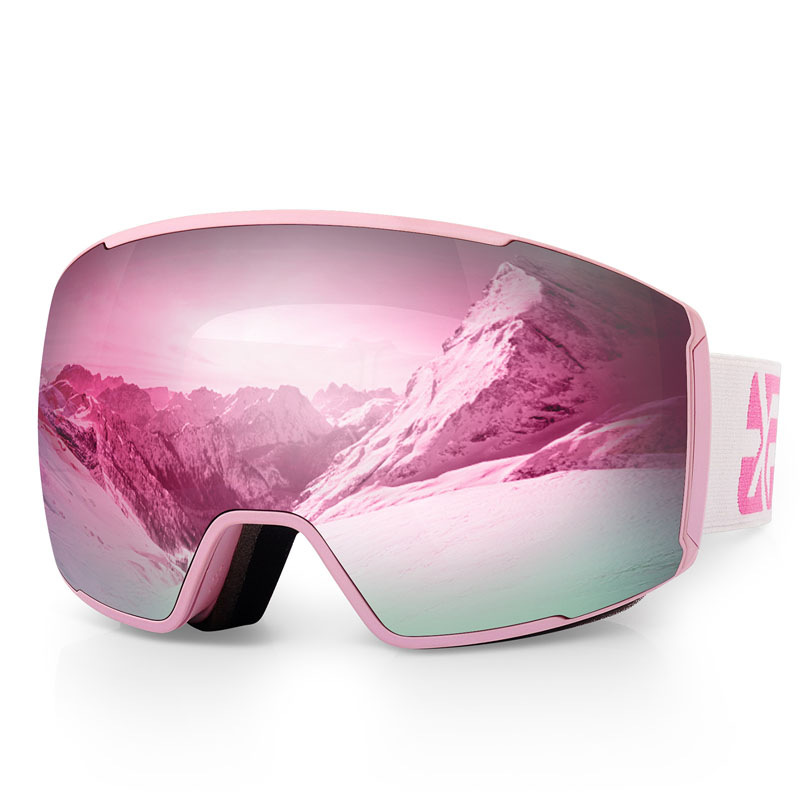
Table of Contents
- Article Outline
- What Are Spherical Ski Goggles?
- Common Problems Faced by Skiers
- How Spherical Lens Technology Works
- Key Benefits of Spherical Ski Goggles
- Spherical vs. Cylindrical Goggles
- How to Choose the Right Pair
- Frequently Asked Questions
- Conclusion and Next Steps
Article Outline
- Introduction to modern ski goggle challenges
- Definition and structure of spherical ski goggles
- Customer pain points related to vision, comfort, and safety
- Technical explanation of spherical lens performance
- Core advantages in real skiing environments
- Comparison with alternative goggle designs
- Practical buying considerations
- FAQs and decision support
- Conclusion with brand insight and contact guidance
What Are Spherical Ski Goggles?
Spherical ski goggles are designed with a lens that curves both horizontally and vertically, closely mimicking the natural curvature of the human eye. This three-dimensional shape differentiates them from flatter designs and allows light to enter the eye more naturally. As a result, wearers experience improved depth perception, reduced distortion, and a wider field of view.
Unlike traditional flat or single-axis curved lenses, spherical lenses are engineered to maintain optical consistency across the entire surface. This structural advantage makes them particularly suitable for high-speed skiing, variable terrain, and challenging weather conditions.
Common Problems Faced by Skiers
Before understanding the value of spherical ski goggles, it is important to identify the common issues skiers encounter on the slopes:
- Limited peripheral vision when navigating crowded runs
- Visual distortion that affects depth judgment
- Fogging caused by temperature differences and moisture
- Eye fatigue during long sessions
- Pressure points and discomfort from poor goggle fit
These challenges not only reduce enjoyment but can also increase the risk of accidents. Equipment that directly addresses these issues plays a critical role in overall performance and safety.
How Spherical Lens Technology Works
The defining feature of spherical ski goggles lies in their dual-axis curvature. By curving the lens in two directions, the design aligns more closely with the way human eyes perceive the environment. This alignment reduces optical aberrations and allows light to pass through the lens at more consistent angles.
Many spherical lenses also incorporate layered construction, often including:
- An outer lens for impact resistance and weather protection
- An inner lens optimized for anti-fog performance
- Ventilation channels that promote airflow
This integrated approach ensures clarity across varying conditions, from bright sunlight to flat, overcast light.
Key Benefits of Spherical Ski Goggles
Spherical ski goggles offer several practical advantages that directly respond to skier needs:
| Benefit | Practical Impact |
|---|---|
| Wider Field of View | Improves awareness of surroundings and obstacles |
| Reduced Distortion | Enhances depth perception and terrain reading |
| Improved Comfort | Natural lens shape reduces eye strain |
| Enhanced Aesthetics | Modern, streamlined appearance preferred by many users |
These benefits are particularly noticeable during long days on the mountain or in demanding snow conditions where visual accuracy is essential.
Spherical vs. Cylindrical Goggles
When comparing spherical ski goggles with cylindrical alternatives, the primary difference lies in lens curvature. Cylindrical goggles curve only horizontally, which can result in peripheral distortion and a narrower field of view.
Spherical goggles, by contrast, maintain optical consistency across both axes. While they may require more complex manufacturing processes, many skiers find the visual performance worth the investment, especially in advanced or professional-level use.
How to Choose the Right Pair
Selecting the right spherical ski goggles involves more than lens shape alone. Consider the following factors:
- Lens tint suitability for typical light conditions
- Anti-fog treatments and ventilation design
- Helmet compatibility and frame size
- Face foam quality and pressure distribution
Brands such as EXP VISION focus on combining optical precision with durable materials and user-centered design. Product solutions like their spherical ski goggles are developed to balance clarity, comfort, and long-term reliability for a wide range of winter sports users.
Frequently Asked Questions
Are spherical ski goggles suitable for beginners?
Yes. While often associated with advanced skiers, beginners can also benefit from improved visibility and comfort, which may help build confidence on the slopes.
Do spherical lenses fog more easily?
Fogging depends more on ventilation and lens treatment than shape. High-quality spherical goggles are designed with airflow systems that minimize moisture buildup.
Are spherical ski goggles heavier?
Modern materials have significantly reduced weight differences. Most users do not notice a meaningful increase in weight compared to other designs.
Conclusion and Next Steps
Spherical ski goggles address many of the visual and comfort challenges faced by skiers in real-world conditions. Through enhanced field of view, reduced distortion, and ergonomic design, they contribute to safer and more enjoyable experiences on the mountain. For those seeking dependable performance and refined optical solutions, manufacturers like EXP VISION continue to advance goggle design with user needs in mind.
To explore advanced spherical ski goggle solutions or to receive professional guidance tailored to specific requirements, contact us today and discover how the right eyewear can elevate your time on the slopes.
Send Inquiry



X
We use cookies to offer you a better browsing experience, analyze site traffic and personalize content. By using this site, you agree to our use of cookies.
Privacy Policy