
How Does a Scuba Diving Mask Impact Underwater Visibility and Comfort?
Abstract
A scuba diving mask is more than a basic piece of dive equipment; it directly influences underwater visibility, comfort, and overall safety. Poor fit, limited field of view, or substandard materials often lead to leaks, fogging, and fatigue, which can negatively affect the diving experience. This in-depth article explains how a scuba diving mask functions, what common problems divers face, and how to select the right model for different diving conditions. By understanding key design elements and performance factors, divers can make informed decisions and enjoy clearer, safer, and more comfortable dives.
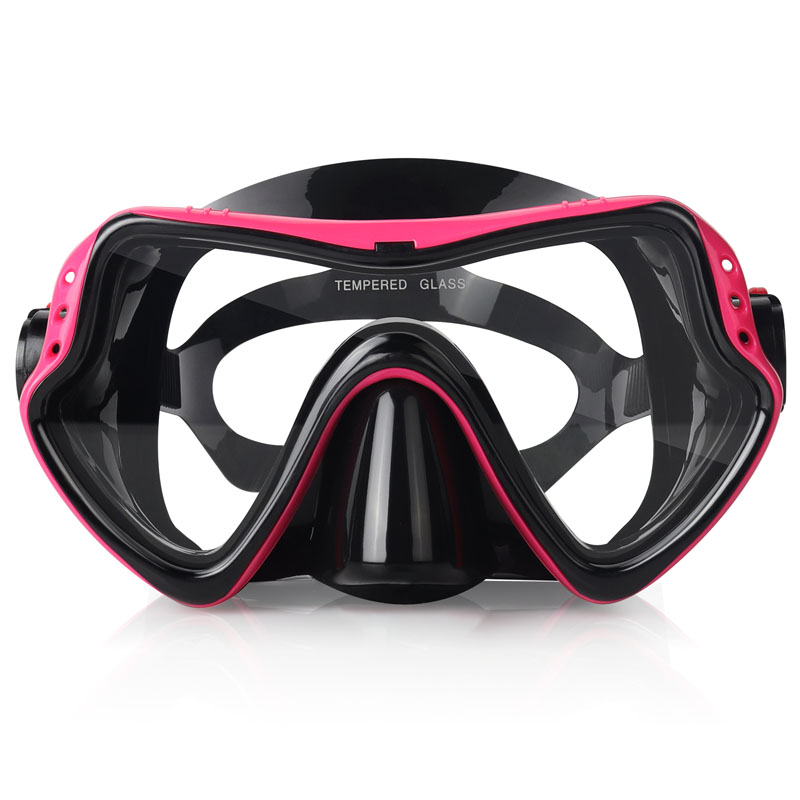
Table of Contents
- Introduction to Scuba Diving Masks
- Common Pain Points Divers Experience
- How a Scuba Diving Mask Works Underwater
- Key Components and Their Functions
- Material and Design Considerations
- Comparison of Scuba Diving Mask Types
- How to Choose the Right Scuba Diving Mask
- Maintenance and Care Best Practices
- Application Scenarios and User Groups
- Frequently Asked Questions
- Conclusion and Contact Information
Introduction to Scuba Diving Masks
A scuba diving mask creates an air space in front of the diver’s eyes, allowing clear vision underwater. Human eyes cannot focus properly in water without this air pocket, making the mask an essential component of any dive setup. Unlike swimming goggles, scuba diving masks are designed to equalize pressure, cover the nose, and maintain a reliable seal under varying depths.
For both recreational and professional divers, mask performance determines not only comfort but also situational awareness. A well-designed scuba diving mask helps reduce distractions, conserve energy, and enhance confidence underwater.
Common Pain Points Divers Experience
Divers often encounter several recurring issues related to mask performance. Understanding these problems is the first step toward choosing a better solution.
- Fogging: Reduced visibility caused by condensation inside the lens.
- Water Leakage: Poor skirt seal or incorrect fit leading to constant clearing.
- Pressure Discomfort: Inadequate nose pocket design making equalization difficult.
- Limited Field of View: Narrow lens angles restricting peripheral vision.
- Facial Fatigue: Rigid materials causing pressure points during long dives.
How a Scuba Diving Mask Works Underwater
The core function of a scuba diving mask is to maintain an air layer between the eyes and the surrounding water. This air layer restores normal visual refraction, enabling sharp focus and accurate depth perception.
As a diver descends, external water pressure increases. The mask allows divers to gently exhale through the nose to equalize internal pressure, preventing mask squeeze and discomfort. High-quality masks maintain structural integrity and seal performance even at greater depths.
Key Components and Their Functions
| Component | Function |
|---|---|
| Lens | Provides clear underwater vision and protects eyes from debris |
| Skirt | Creates a watertight seal against the diver’s face |
| Nose Pocket | Allows pressure equalization during descent |
| Frame | Holds the lens securely and maintains shape under pressure |
| Strap | Keeps the mask stable and correctly positioned |
Material and Design Considerations
Material selection plays a significant role in durability and comfort. Modern scuba diving masks commonly use tempered glass lenses, which offer impact resistance and clarity. Silicone skirts are preferred for their flexibility, hypoallergenic properties, and long-term resilience.
Design elements such as low-volume construction help reduce the amount of air required for equalization, making the mask easier to clear. Ergonomic shaping improves fit across different face profiles, reducing leakage and pressure points.
Comparison of Scuba Diving Mask Types
| Type | Characteristics | Recommended Use |
|---|---|---|
| Single-Lens Mask | Wide uninterrupted field of view | Recreational and scenic dives |
| Dual-Lens Mask | Lower internal volume, easier equalization | Deep or technical diving |
| Frameless Mask | Lightweight and flexible design | Travel and minimalist setups |
How to Choose the Right Scuba Diving Mask
Selecting the correct scuba diving mask involves evaluating fit, intended use, and personal comfort preferences. A proper fit test should be performed without using the strap; the mask should stay in place with gentle inhalation through the nose.
Divers should also consider lens configuration, skirt softness, and compatibility with prescription lenses if required. Brands such as EXP VISION focus on combining ergonomic design with reliable materials to meet the needs of both novice and experienced divers.
Maintenance and Care Best Practices
- Rinse the mask with fresh water after each dive.
- Avoid prolonged exposure to direct sunlight.
- Use appropriate anti-fog solutions before diving.
- Store in a protective case to prevent lens scratches.
Application Scenarios and User Groups
Scuba diving masks are used across a wide range of environments, including tropical reefs, cold-water dives, underwater photography, and professional inspection work. Each scenario places unique demands on visibility, seal integrity, and durability.
Recreational divers prioritize comfort and panoramic views, while technical divers often require low-volume designs for efficiency. Commercial and scientific divers demand robust construction and consistent performance under repeated use.
Frequently Asked Questions
Q: Why does a scuba diving mask fog during dives?
A: Fogging is typically caused by temperature differences and residue on the lens. Proper cleaning and anti-fog treatment can significantly reduce this issue.
Q: How tight should a scuba diving mask strap be?
A: The strap should be snug enough to maintain a seal but not overly tight, as excessive tension can cause discomfort and leaks.
Q: Can a scuba diving mask fit all face shapes?
A: While many designs aim for universal fit, face shape varies. Trying different skirt designs and sizes helps ensure optimal sealing and comfort.
Conclusion and Contact Information
A well-designed scuba diving mask directly enhances underwater visibility, comfort, and safety. By understanding common challenges, key components, and selection criteria, divers can avoid frequent issues such as fogging and leakage. Reliable manufacturers like EXP VISION continue to refine mask design to meet diverse diving needs.
If you are exploring dependable scuba diving mask solutions or require professional guidance, contact us today to learn more about available options and technical support tailored to your diving applications.
Send Inquiry



X
We use cookies to offer you a better browsing experience, analyze site traffic and personalize content. By using this site, you agree to our use of cookies.
Privacy Policy