
How to Choose the Best Cylindrical Ski Goggles for Your Winter Adventures
Summary: Skiing and snowboarding demand not only skill but also proper protective gear. One of the most essential pieces of equipment is ski goggles. This guide helps you understand cylindrical ski goggles, why they might be the best choice for your winter sports activities, what to consider before purchasing, and how to maintain and use them effectively. Whether you are a seasoned athlete or a weekend warrior, this article will walk you through everything you need.
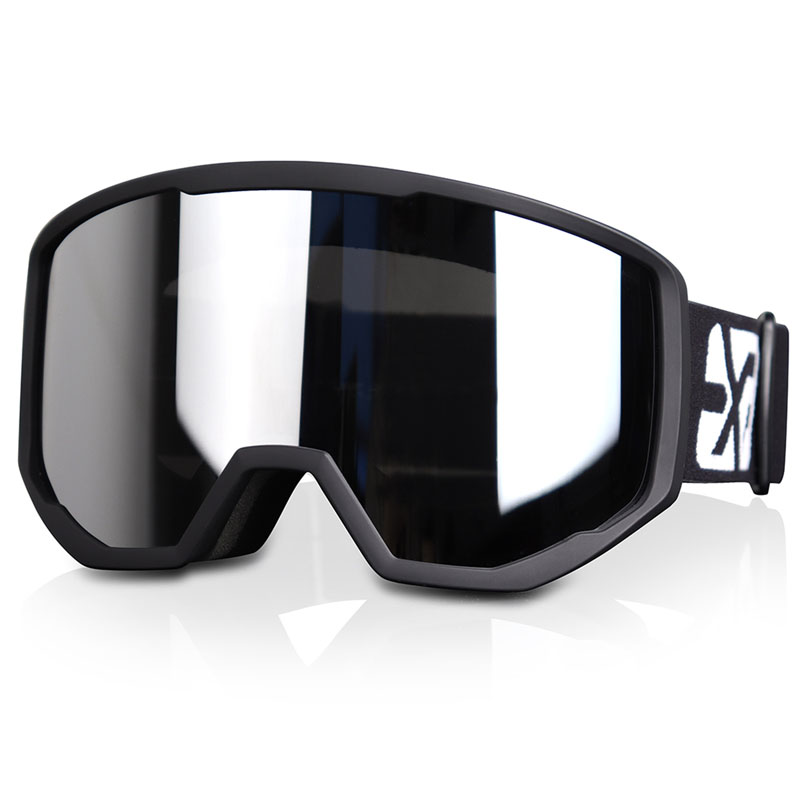
Table of Contents
- Introduction to Cylindrical Ski Goggles
- Key Benefits of Cylindrical Ski Goggles
- What to Consider Before Buying
- Cylindrical vs. Spherical Ski Goggles
- Fit and Sizing Guide
- Care and Maintenance
- Frequently Asked Questions
- Conclusion
Introduction to Cylindrical Ski Goggles
Winter sports enthusiasts know the value of clear vision on snowy slopes. Cylindrical ski goggles are a popular choice for their blend of performance and affordability. Unlike spherical lenses that curve both horizontally and vertically, cylindrical lenses curve only horizontally. This design simplifies lens structure while providing ample protection and clarity in various weather conditions.
However, choosing the right pair can be challenging due to the variety of brands, lens technologies, comfort features, and fit options. This guide aims to help you make an informed decision that aligns with your needs, preferences, and budget.
Key Benefits of Cylindrical Ski Goggles
Understanding the benefits helps you appreciate why cylindrical ski goggles remain a top choice for many skiers and snowboarders. Below is a breakdown of what makes them appealing:
- Wide Field of View: Although not as expansive as spherical lenses, cylindrical goggles still offer a broad horizontal view that supports peripheral awareness on the slopes.
- Lightweight Construction: Their simpler lens shape contributes to lighter frames and less weight on your face, which can be more comfortable during long runs.
- Cost-Effectiveness: Typically more affordable than spherical options, cylindrical goggles are ideal for beginners or riders seeking reliable performance without premium prices.
- Easy Lens Replacement: Many models feature quick-change lens systems to adapt to changing light conditions.
What to Consider Before Buying
Selecting the right goggles goes beyond price. Below is a guide to the essential factors to keep in mind:
Lens Technology and Tint
- UV Protection: Ensure goggles offer full UV protection to shield your eyes from harmful rays reflecting off snow.
- Polarized vs. Non-Polarized: Polarized lenses reduce surface glare but may slightly affect digital display visibility.
- Tint Variations: Choose based on typical weather: darker tints for sunny days and lighter or photochromic options for variable light.
Anti-Fog and Ventilation
- Look for dual-layer lenses with anti-fog coatings.
- Effective ventilation channels reduce moisture buildup when you’re active.
Comfort and Padding
- Three-layer foam offers superior comfort and sweat absorption.
- Helmet compatibility helps ensure a snug fit with minimal pressure points.
Cylindrical vs. Spherical Ski Goggles
Understanding the differences between cylindrical and spherical goggles helps you choose based on performance preferences:
| Feature | Cylindrical Goggles | Spherical Goggles |
|---|---|---|
| Lens Shape | Curved horizontally only | Curved both horizontally and vertically |
| Field of View | Good | Excellent |
| Price Range | More affordable | Tends to be more expensive |
| Visual Distortion | Minimal | Very low |
| Weight | Lighter | Heavier |
Fit and Sizing Guide
The right fit ensures both comfort and performance. Poorly fitting goggles can lead to fogging, pressure points, and compromised vision. Follow these tips:
- Face Shape: Oval faces often fit standard frames, while round faces benefit from larger frames.
- Helmet Compatibility: Ensure your goggles and helmet form a seamless connection with no gaps.
- Adjustable Straps: Look for straps that offer flexibility in tightness without slipping.
Many brands provide sizing guides based on face width measurements. Use these tools before purchasing to minimize returns or adjustments later.
Care and Maintenance
To extend the life and performance of your cylindrical ski goggles, adopt proper care practices:
- Clean with Care: Use a soft microfiber cloth and avoid touching the inner lens layer.
- Dry Properly: After use, let goggles air dry to prevent mold or layer separation.
- Store Safely: Keep goggles in a protective pouch to prevent scratches during transport.
Never wipe fog or moisture off with rough materials or your glove, as this can scratch the lens or damage anti-fog coatings.
Frequently Asked Questions
Do cylindrical ski goggles fog easily?
While any goggle can fog under certain conditions, modern cylindrical goggles with dual-layer lenses and proper ventilation minimize fogging effectively.
Can I replace lenses on cylindrical ski goggles?
Yes. Many models allow lens replacement so you can adjust to different light conditions or swap damaged lenses without buying a full new pair.
Are cylindrical ski goggles suitable for all weather?
They perform well in most weather, but choosing lenses appropriate for sun, snow, or low-light conditions is key to optimal vision.
How do I know if the goggles fit my helmet?
Combine helmet and goggle brands with similar size recommendations, and test the set before hitting the slopes. Check for gaps and strap alignment.
Conclusion
Cylindrical ski goggles offer a compelling blend of comfort, performance, and value. By considering lens technology, fit, ventilation, and weather conditions you face most often, you can select a pair that enhances your winter sports experience. For reliable products designed with real snow sports needs in mind, explore offerings from EXP VISION. Their cylindrical ski goggles balance protective features with comfort and durability.
If you are ready to upgrade your winter gear or have questions about which cylindrical ski goggles best fit your needs, contact us at EXP VISION for tailored recommendations and support that keeps your vision clear and your adventures safe.
Previous:Why Choose the Right Swim Goggles?
Send Inquiry



X
We use cookies to offer you a better browsing experience, analyze site traffic and personalize content. By using this site, you agree to our use of cookies.
Privacy Policy