
Why Anti Fog Cylindrical Lens Ski Goggles Are Gaining Attention in Winter Sports
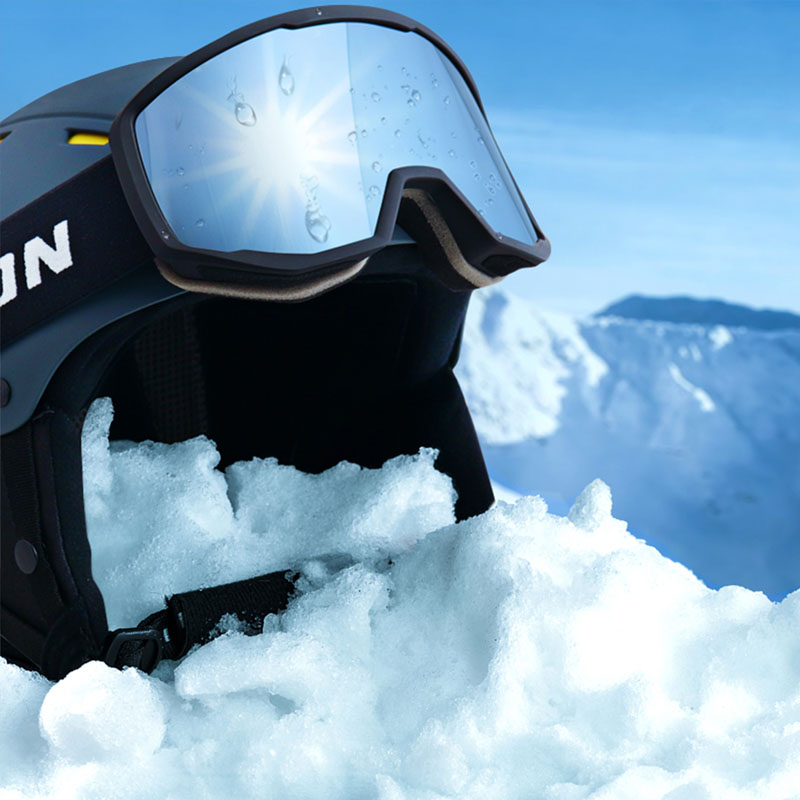
EXP VISION Anti Fog Cylindrical Lens Ski Goggles represent a wider change in winter sports equipment, as skiers increasingly focus on clear vision, comfort, and performance in unpredictable mountain environments.
Winter sports have always been closely connected with weather conditions. Low temperatures, snowfall, strong sunlight, and changing humidity can all influence the skiing experience. Among these challenges, limited visibility caused by lens fogging remains one of the most common concerns. As skiing and snowboarding become more popular worldwide, eyewear design is gradually shifting from simple protection toward better visual performance and comfort.
The growing attention toward advanced ski goggles reflects a broader trend in outdoor sports. People spending more time on slopes expect equipment that can adapt to different conditions rather than only provide basic protection from wind and snow.
The Increasing Importance of Clear Vision in Snow Sports
Visibility plays an important role in winter activities. Snow-covered landscapes can create strong light reflection, while fog, snowfall, and temperature changes may make it harder to see terrain details clearly.
For skiers and snowboarders, a clear field of view helps with identifying slope conditions, adjusting movement, and responding to changing surroundings. This has encouraged the development of eyewear designs that balance optical clarity, ventilation, and wearing comfort.
Traditional goggles often faced challenges when users moved between different environments. For example, entering a warm indoor area after skiing or wearing goggles during high-intensity movement could increase moisture inside the lens area. Modern designs focus on reducing these issues through improved airflow and lens structures.
How Cylindrical Lens Design Supports Modern Skiing
Lens shape is one of the key elements influencing ski goggle performance. Cylindrical lenses have gained attention because of their practical balance between appearance, viewing range, and production flexibility.
Unlike flat lenses, cylindrical lenses curve across the horizontal direction while maintaining a relatively flat vertical profile. This structure helps create a wider visual experience while keeping the goggles lightweight and close to the face.
Several design factors contribute to the development of current ski eyewear:
| Design Feature | Function in Winter Sports |
|---|---|
| Cylindrical lens shape | Helps maintain a broad viewing area |
| Double-layer lens structure | Creates insulation between different temperatures |
| Ventilation system | Allows airflow to reduce moisture buildup |
| Anti-fog coating | Helps maintain clearer vision during activity |
| UV protection | Supports eye protection in bright snow environments |
The combination of these features explains why Anti Fog Cylindrical Lens Ski Goggles have become a frequently discussed topic in winter sports equipment development.
Why Fog Prevention Remains a Major Design Focus
Fogging occurs when warm moisture from the face meets the colder surface of a lens. This natural process becomes more noticeable during physical activity because body heat and breathing increase humidity inside the goggles.
Modern anti-fog technology does not rely on a single component. Instead, manufacturers of sports eyewear usually consider multiple factors, including:
- Air circulation around the lens area
- Separation between inner and outer lens surfaces
- Moisture-resistant lens treatments
- Frame design and facial fitting
These improvements are designed around real usage situations rather than laboratory conditions alone. A skier may experience wind on an open slope, heavy snow during a downhill run, or temperature changes when moving between different areas of a resort.
Winter Sports Equipment Is Moving Toward User-Focused Design
The development of snow equipment reflects changing expectations among outdoor enthusiasts. In earlier stages, protection from cold temperatures and impact was the primary consideration. Today, comfort, visual experience, and long-term wearing conditions have become equally important.
This trend can be seen across different categories of winter sports products:
| Development Direction | Main Reason |
|---|---|
| Lightweight materials | Reduces pressure during extended activities |
| Improved ventilation | Helps manage heat and moisture |
| Enhanced optical performance | Supports clearer outdoor experiences |
| Flexible frame designs | Improves comfort for different face shapes |
The market for winter sports equipment continues to evolve as more people participate in recreational skiing, snowboarding, and outdoor travel. These activities require gear that can handle different weather conditions while remaining comfortable throughout the day.
The Role of Testing and Standards in Sports Eyewear Development
Behind modern sports eyewear design is a growing focus on testing. Optical performance, UV protection, impact resistance, and anti-fog capability are commonly evaluated during product development.
Companies such as EXP VISION, a brand from TO-MAX SPORTS, have participated in this industry trend by focusing on outdoor protective eyewear categories, including ski goggles, diving masks, swimming goggles, and motorcycle goggles.
Testing equipment such as optical testers, UV testers, hardness testers, drop testing equipment, and anti-fog testing systems are increasingly used to evaluate eyewear performance. These processes help ensure that products can meet the practical demands of different outdoor environments.
Future Trends in Ski Goggle Development
The future direction of ski goggles is likely to continue focusing on the balance between visibility, comfort, and adaptability. As winter sports participants explore different terrains and weather conditions, eyewear design will continue responding to these practical challenges.
Possible development areas include improved lens materials, smarter ventilation structures, lighter frames, and designs that better match different outdoor activities. The goal is not only to protect the eyes but also to create a more comfortable and stable experience during long periods outdoors.
The growing popularity of Anti Fog Cylindrical Lens Ski Goggles reflects a wider transformation in winter sports equipment. From lens technology to ventilation design, modern eyewear is increasingly shaped by real outdoor needs. Brands like EXP VISION and companies involved in sports protection development are part of this ongoing industry evolution, where clearer vision and adaptable designs continue to influence the future of snow sports gear.
Send Inquiry



X
We use cookies to offer you a better browsing experience, analyze site traffic and personalize content. By using this site, you agree to our use of cookies.
Privacy Policy