
How Do Spherical Ski Goggles Prevent Snow Glare and Eye Fatigue?
Skiing is not only a sport that requires physical strength and balance, but also depends heavily on clear vision. In snowy mountain environments, bright sunlight, reflected snow light, and changing weather conditions can create challenges for the eyes.
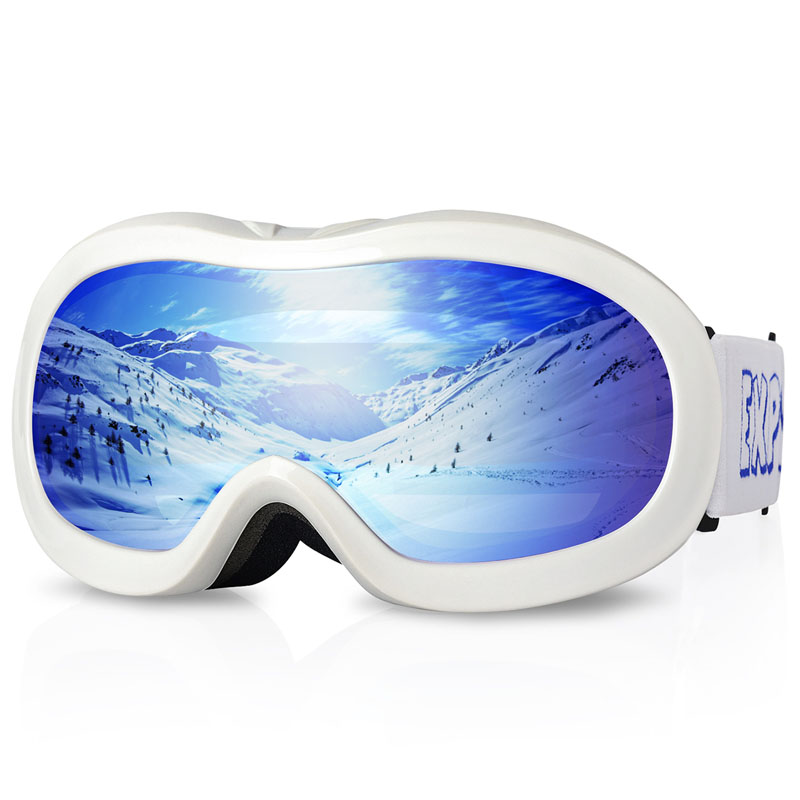
This is why high-quality eyewear has become an essential part of skiing equipment. Spherical Ski Goggles are designed not only to improve visual comfort but also to help reduce the impact of glare and eye fatigue during outdoor activities.
Behind their curved lens design are optical technologies that help skiers achieve a wider, clearer, and more comfortable view in complex snow environments.
Why Is Snow Glare a Problem for Skiers?
Many people think snow is simply a white surface, but snow can reflect a significant amount of sunlight.
When sunlight reaches a snowy mountain surface, part of the light is reflected directly toward the eyes. This reflected light can create:
- Strong brightness
- Visual discomfort
- Temporary eye fatigue
- Difficulty seeing terrain details
For skiers moving at high speeds, clear vision is important because terrain conditions can change quickly.
How Do Spherical Ski Goggles Reduce Glare?
The key feature of spherical ski goggles is the curved lens design. Unlike flat lenses, spherical lenses curve in multiple directions to better match the natural shape of the human eye.
This design helps improve the way light enters the lens and reduces certain optical distortions.
The process can be explained as:
Curved lens design
↓
More natural light transmission
↓
Reduced visual distortion
↓
More comfortable viewing experience
The Role of Lens Coatings in Snow Glare Protection
Modern ski goggles often use advanced lens coatings to improve performance in bright snow environments.
UV Protection Coating
At high altitudes, ultraviolet radiation exposure can increase because the atmosphere provides less filtering.
UV protection coatings help reduce the amount of harmful ultraviolet light reaching the eyes.
Anti-Reflective Technology
Some lens designs include treatments that help manage unwanted reflections and improve visual clarity.
Mirrored Lens Coating
A mirrored surface can reduce the amount of intense visible light entering the eyes, making it useful in sunny skiing conditions.
Why Can Snow Make Your Eyes Feel Tired?
Eye fatigue during skiing is usually caused by a combination of factors rather than a single issue.
Common causes include:
- Constant exposure to bright snow surfaces
- Frequent adjustment between light and shadow areas
- Long periods of visual concentration
- Wind and cold air exposure
When the eyes continuously adjust to strong light changes, visual discomfort may increase.
How Does Lens Shape Affect Visual Comfort?
Lens shape plays an important role in how skiers perceive their surroundings.
A spherical lens provides a larger internal lens volume compared with many traditional flat designs.
This can help create:
- A wider field of view
- Better peripheral vision
- More natural depth perception
- Less feeling of visual restriction
Spherical Ski Goggles vs Traditional Ski Goggles
| Feature | Spherical Ski Goggles | Traditional Cylindrical Ski Goggles |
|---|---|---|
| Lens Shape | Curved vertically and horizontally | Curved mainly horizontally |
| Field of View | Wider viewing area | More limited peripheral vision |
| Optical Performance | Designed for reduced distortion | May have more edge distortion |
| Comfort | More natural visual experience | Traditional wearing feeling |
| Design Style | Modern and advanced appearance | Classic outdoor style |
Why Is Peripheral Vision Important When Skiing?
Skiing requires constant awareness of the surrounding environment.
Good peripheral vision helps skiers notice:
- Other skiers nearby
- Changes in snow conditions
- Obstacles on the slope
- Direction changes
A wider field of view can make the skiing experience feel more natural and immersive.
How Do Ski Goggles Handle Changing Weather Conditions?
Mountain weather can change quickly. A skier may experience bright sunlight, clouds, fog, and snowfall within a short period.
Modern ski goggles are designed with features such as:
- Different lens colors for various lighting conditions
- Anti-fog systems
- Ventilation channels
- Double-layer lenses
These technologies work together to maintain clearer vision in different environments.
Why Are Spherical Ski Goggles Popular Among Outdoor Enthusiasts?
The popularity of spherical ski goggles comes from the combination of comfort, protection, and visual performance.
They provide benefits such as:
- Improved snow visibility
- Reduced glare discomfort
- Enhanced outdoor experience
- Modern optical design
The Future Development of Ski Goggle Technology
As winter sports technology continues to develop, ski goggles may include more advanced features, such as:
- Adaptive lens technology
- Smart visibility systems
- Improved lightweight materials
- Enhanced environmental protection coatings
Conclusion
Spherical Ski Goggles are more than a simple piece of winter sports equipment. Their curved lens design, protective coatings, and optical advantages help skiers deal with challenging snow environments.
By reducing glare, improving visual comfort, and expanding the field of view, spherical ski goggles provide an important solution for safer and more enjoyable skiing experiences.
Behind every pair of ski goggles is a combination of optical science and outdoor engineering designed to help people see the mountain world more clearly.
Send Inquiry



X
We use cookies to offer you a better browsing experience, analyze site traffic and personalize content. By using this site, you agree to our use of cookies.
Privacy Policy